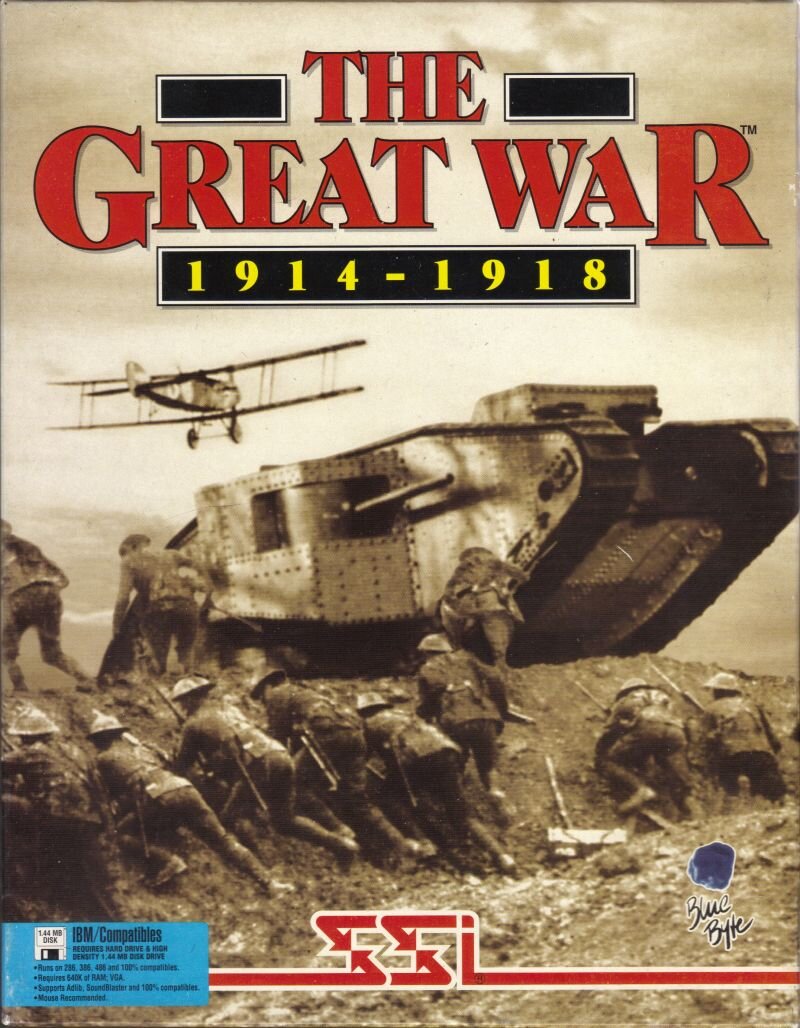
The Great War, 1914-1918
0 plays 1993 #Strategy
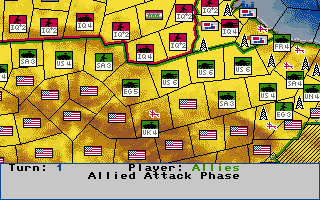
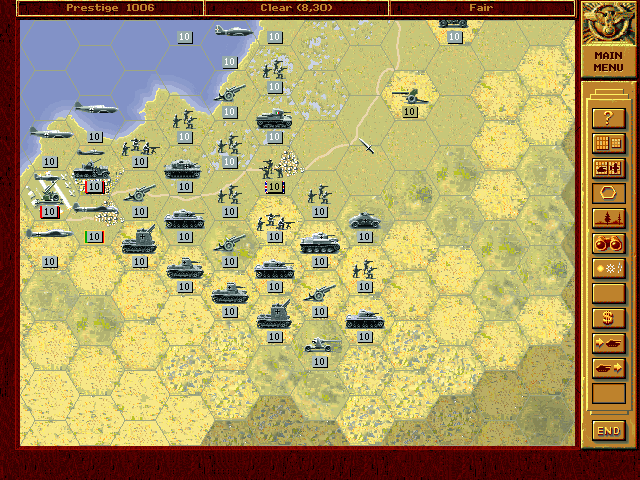
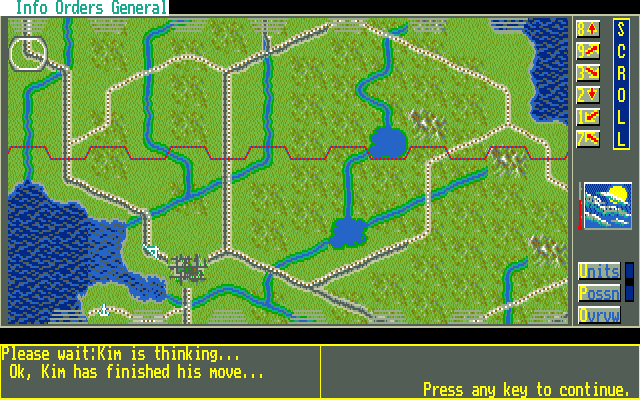
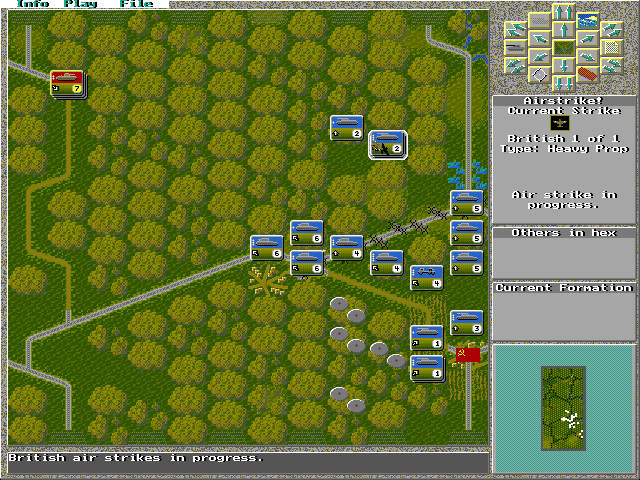
History Line: 1914–1918 (released in North America by Strategic Simulations as Great War: 1914–1918) is a turn-based tactics video game released in 1992 by the German team Blue Byte. The storyline takes the player through various battles of the First World War. It uses the software engine based on the better known Battle Isle '93.
From Wikipedia's article History Line: 1914–1918
Controls
This is a PC game: it uses the keyboard the way it did under MS-DOS, and the mouse where the game supports it. Click the game screen first so it gets your key presses.
Many DOS games start with a menu or ask a question first — read the screen and answer with the keyboard. Arrow keys, Enter, Space, Ctrl and Alt are the usual game keys.
Live chat
Connecting…
Controls
This is a PC game: it uses the keyboard the way it did under MS-DOS, and the mouse where the game supports it. Click the game screen first so it gets your key presses.
Many DOS games start with a menu or ask a question first — read the screen and answer with the keyboard. Arrow keys, Enter, Space, Ctrl and Alt are the usual game keys.
No reviews yet
We found no critic scores for this game, and too few players have rated it.
Review scorecard
- Graphics — Not scored Unavailable
- Sound — Not scored Unavailable
- Control — Not scored Unavailable
- Fun Factor — Not scored Unavailable
No category score or overall rating is available for the unscored slots.
What the reviews talk about
Key wordsplayablechallenging
What the critics said
Computer Gaming World in 1993 stated that History Line was "both simple to play and serves as a challenging technical simulation of warfare".
— Computer Gaming World
The magazine liked the "high quality" computer AI, and concluded that the game was "a genuinely unique product that may be dismissed by very serious wargamers, but will be welcomed by a much larger audience... the best release yet from Blue Byte".
— Computer Gaming World, 1993
From the Reception section of Wikipedia's History Line: 1914–1918 article.

Comments