Prince of Persia
3.6M plays 1989 #Action#Platform
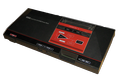
Prince of Persia is a cinematic platform game created by Jordan Mechner and originally published by Brøderbund for the Apple II in 1989. Its unusually fluid character movement was produced with rotoscoping, using filmed footage of Mechner's brother David as the basis for the Prince's animation. The game subsequently appeared on numerous computers and consoles, becoming one of the most widely converted titles of its era and an important influence on later cinematic platform games. This Master System edition preserves the same central combination of acrobatics, environmental puzzles and sword fighting.
While the Sultan is away at war, the treacherous vizier Jaffar seizes power and imprisons the Princess. She is given sixty minutes to marry him or die, while the young man she loves is thrown into the palace dungeons. The player's task is to escape, cross the palace and defeat Jaffar before the deadline expires. The journey also introduces a magical shadow of the hero, created when he passes through an enchanted mirror and ultimately overcome through understanding rather than ordinary combat.
Movement is deliberately realistic and requires more planning than in conventional platform games. The Prince can run, make standing or running jumps, crouch, climb ledges and descend carefully from platforms. Loose floor tiles collapse under his weight, pressure plates operate gates, and badly judged falls can injure or kill him. Spikes, deep pits and blade traps demand precise timing, while the layout of each room frequently requires the player to determine the correct route before committing to a jump.
After finding a sword, the Prince must also confront Jaffar's guards. Combat is based on advancing, retreating, striking and parrying rather than rapid attacks, and enemies can sometimes be driven into nearby traps. The health display allows several minor injuries, while red potions restore strength and larger vessels can increase its maximum value; other potions may be poisonous or produce magical effects. Death normally restarts the current level, but the global countdown continues, turning repeated mistakes into a lasting penalty.
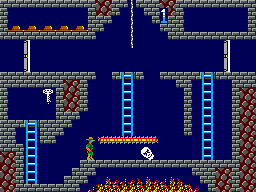
The Master System conversion was developed by The Kremlin and published by Domark in 1992. It expands the journey to fourteen stages and provides passwords for returning to later sections. The console's bright colour palette gives the dungeons and palace a distinctive appearance, while the animation and controls reproduce the deliberate rhythm of the computer original with relatively few compromises. The lifelike animation grew from techniques Mechner had already explored in Karateka, while the story continued in Prince of Persia 2: The Shadow & The Flame. Although its measured controls require practice, Prince of Persia remains a landmark of video-game animation and level design.
Text: RetroGames.cz, licensed under CC BY-SA 3.0
Keyboard controls
| SMS | Player 1 | Player 2 |
|---|---|---|
| D-pad | ↑↓←→ | IKJL |
| Button 1 | Z | N |
| Button 2 | X | M |
| Pause | Enter |
Hotkeys
- 1 Quick save state
- 2 Quick load state
- 3 Change save slot
Gamepads are detected when you press a button. Remap any key from the emulator’s Controls menu (gear icon).
Live chat
Connecting…
Keyboard controls
| SMS | Player 1 | Player 2 |
|---|---|---|
| D-pad | ↑↓←→ | IKJL |
| Button 1 | Z | N |
| Button 2 | X | M |
| Pause | Enter |
Hotkeys
- 1 Quick save state
- 2 Quick load state
- 3 Change save slot
Gamepads are detected when you press a button. Remap any key from the emulator’s Controls menu (gear icon).
Comments