Indianapolis 500
0 plays 1989 #Racing
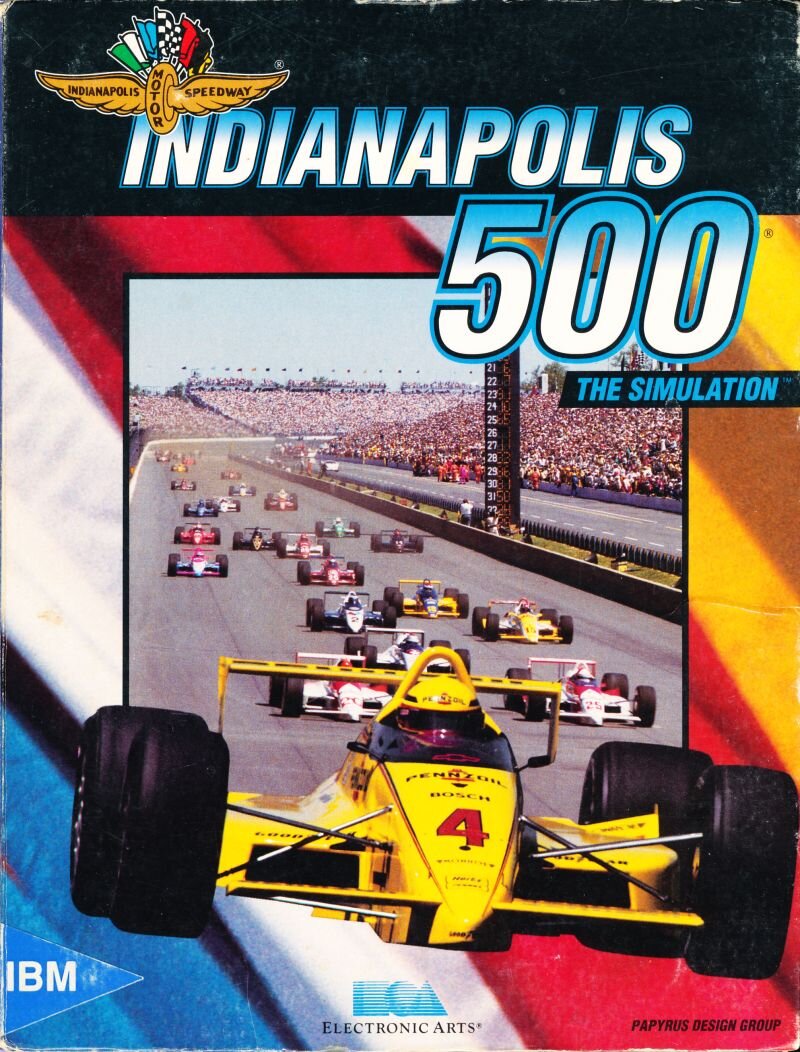
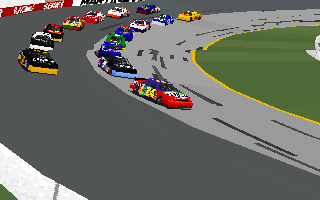
Indianapolis 500: The Simulation is a racing video game developed by Papyrus Design Group and published in 1989 for MS-DOS. An Amiga version followed in 1990. It was the first game developed by the organisation that would later become iRacing.
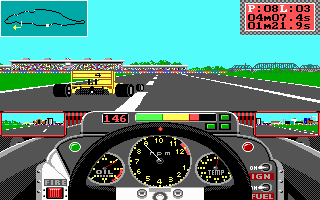
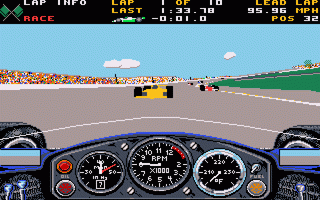
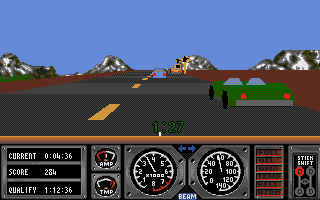
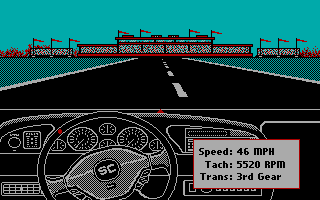
The game attempts to be a full simulation of the Indianapolis 500 race. Races are from a first-person perspective. There is a replay mode which uses different camera angles. Indy 500 allows realistically setting-up the car, which affects how it handles. The field and qualifying order are true to the 1989 Indianapolis 500 starting grid, with one exception: the player's car, numbered 17, replaces Car #29 of Rich Vogler, who qualified in 33rd and last place.
From Wikipedia's article Indianapolis 500: The Simulation
Controls
This is a PC game: it uses the keyboard the way it did under MS-DOS, and the mouse where the game supports it. Click the game screen first so it gets your key presses.
Many DOS games start with a menu or ask a question first — read the screen and answer with the keyboard. Arrow keys, Enter, Space, Ctrl and Alt are the usual game keys.
Live chat
Connecting…
Controls
This is a PC game: it uses the keyboard the way it did under MS-DOS, and the mouse where the game supports it. Click the game screen first so it gets your key presses.
Many DOS games start with a menu or ask a question first — read the screen and answer with the keyboard. Arrow keys, Enter, Space, Ctrl and Alt are the usual game keys.
No reviews yet
We found no critic scores for this game, and too few players have rated it.
Review scorecard
- Graphics — Not scored Unavailable
- Sound — Not scored Unavailable
- Control — Not scored Unavailable
- Fun Factor — Not scored Unavailable
No category score or overall rating is available for the unscored slots.
What the reviews talk about
Key wordsrealistic
What the critics said
The editors called it "pure racing action at its best".
— PC Gamer, 1994
From the Reception section of Wikipedia's Indianapolis 500: The Simulation article.

Comments